
There are some dishes you don’t just eat, you experience. Haleem, also lovingly called khichda in many homes, is one of those rare recipes that feels like history, patience, and love simmered together in a single pot. It is rich, deeply spiced, slow-cooked, and unbelievably comforting. Whether it is prepared during Ramadan, for a special gathering, or simply when you crave something hearty and soulful, haleem has a way of bringing people to the table.
If you have ever tasted a well-made haleem, you already know that it is not just about meat and grains. It is about texture. It is about the balance between creaminess and spice. It is about that moment when the wheat and lentils melt into the meat and create something so smooth that every spoon feels luxurious.
There are many versions across regions. In some homes, it is called haleem and is blended smooth. In others, it is khichda, slightly grainier, where you can feel bits of meat and cracked wheat. Both are beautiful in their own way. This recipe gives you a balanced texture, thick and velvety but still satisfying.
Let us start with the ingredients you will need.
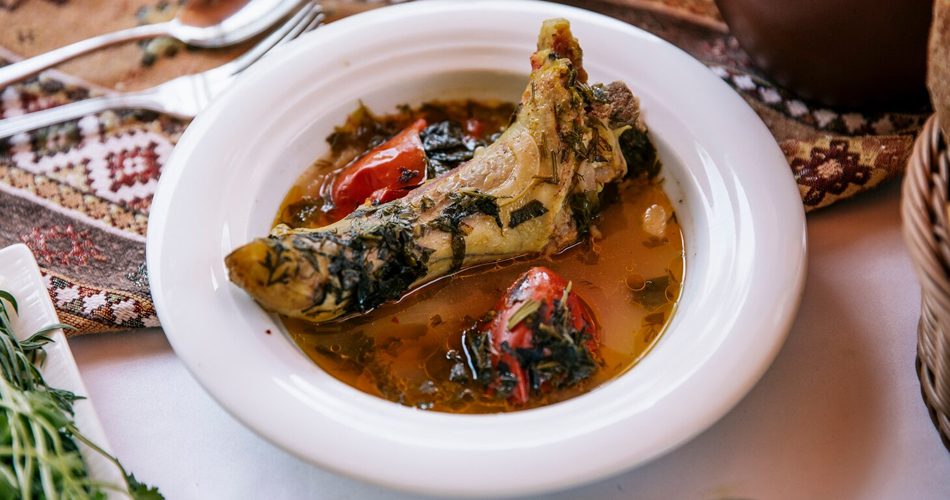
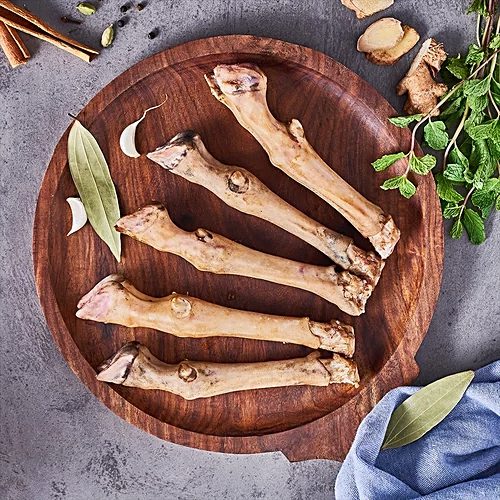
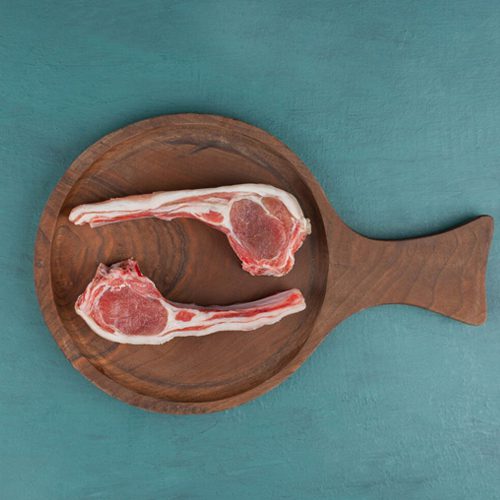
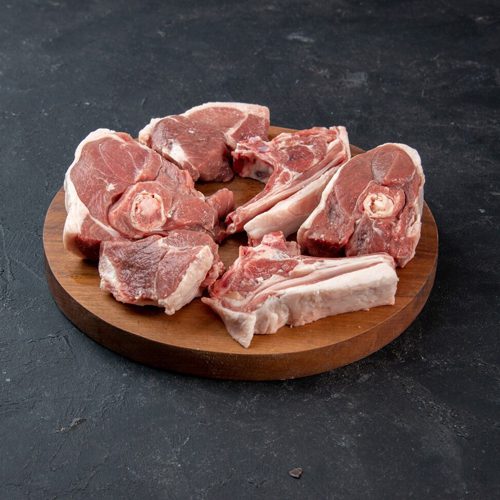
For this recipe, you will need about 500 grams of mutton with bones. Bone-in meat gives depth and richness that boneless cuts simply cannot match. You will also need one cup of broken wheat, also known as dalia. Along with this, take a mix of lentils: two tablespoons each of chana dal, masoor dal, moong dal, and urad dal. This combination creates that classic body and creaminess haleem is known for.
For the masala, you will need three medium onions sliced thin, two tablespoons ginger-garlic paste, three to four green chilies, half a cup of yogurt, turmeric powder, red chili powder, coriander powder, cumin powder, garam masala, and salt according to taste. Whole spices such as bay leaves, cinnamon, cloves, black peppercorns, and green cardamom will elevate the aroma beautifully.
For the final touch, keep fresh coriander leaves, mint leaves, fried onions, lemon wedges, and a little ghee ready. These garnishes are not just decoration. They transform the dish.
The preparation begins with patience. Wash the broken wheat and all the lentils thoroughly. Soak them together in enough water for at least four to five hours. If you have time, soaking overnight is even better. This step softens the grains and ensures that everything cooks evenly and blends smoothly later.
Next, wash the mutton pieces and keep them aside. In a large heavy-bottomed pot or pressure cooker, heat some oil or a mix of oil and ghee. Add the whole spices first. When the cinnamon, cloves, and cardamom release their fragrance, add the sliced onions. Cook them slowly on medium heat until they turn golden brown. This stage is important because properly browned onions build the base flavor of haleem.
Once the onions are ready, add ginger-garlic paste and sauté until the raw smell disappears. Add the green chilies, turmeric powder, red chili powder, coriander powder, cumin powder, and salt. Stir everything well so the spices cook gently in the oil. Then add the mutton pieces and mix thoroughly. Let the meat sear slightly and absorb the spices.
Now add the yogurt and cook on medium heat until the oil begins to separate from the masala. This step deepens the flavor and ensures the spices coat the meat properly. At this stage, add enough water to cover the meat and cook it until tender. If using a pressure cooker, cook for around five to six whistles or until the mutton becomes soft. If cooking in a pot, let it simmer slowly until the meat is fully tender and almost falling off the bone.
In a separate pot, cook the soaked wheat and lentils together. Add enough water and a pinch of salt, and let them cook until they become completely soft and mushy. This can take some time, but do not rush it. The grains must break down fully. If you prefer a smoother haleem, you can use a hand blender at this stage to lightly blend the wheat and lentil mixture.
Once the mutton is tender, remove the bones carefully. Shred the meat using a spoon or your hands once it cools slightly. The texture should be soft enough to pull apart easily. Return the shredded meat to the pot with its gravy.
Now comes the most important stage. Combine the cooked wheat and lentil mixture with the mutton. Mix everything thoroughly. Add some hot water if needed to adjust consistency. Keep the flame low and let it simmer slowly. This stage can take 30 to 45 minutes. Stir continuously to prevent sticking. Traditionally, haleem is stirred for a long time until it reaches a paste-like consistency. The more you stir, the better the texture becomes.
As it thickens, add garam masala and a spoon of ghee. Taste and adjust salt and spice levels. The final texture should be thick but flowing, creamy but not dry.
When serving, ladle the haleem into bowls. Top it with fried onions, chopped coriander, fresh mint, a squeeze of lemon juice, and a drizzle of melted ghee. Some people also like adding thin slices of ginger for an extra kick.
The beauty of haleem lies in its layers. The first spoon brings warmth from the spices. The next brings richness from the meat and lentils. The garnishes add freshness and contrast. It is comfort food at its finest.
If you want to turn this into khichda instead of smooth haleem, avoid blending the wheat and lentils completely. Keep them slightly textured and do not over-mash the meat. The result will be thicker, more rustic, and equally satisfying.
A few tips can elevate your haleem further. Always cook on low heat during the final simmering stage. Slow cooking allows the flavors to merge beautifully. Use bone marrow pieces if possible for deeper richness. If you want a slightly smoky flavor, you can give a gentle coal smoke at the end by placing a small piece of hot charcoal in a bowl inside the pot, adding a drop of ghee on it, and covering the lid for a few minutes.
Haleem tastes even better the next day. As it rests, the flavors intensify and the texture thickens naturally. When reheating, add a little hot water to loosen it and stir well.
This dish is not fast food. It is slow food. It asks for time and attention. But in return, it gives you something incredibly satisfying. Whether you are making it for family, guests, or for your own craving, haleem carries a sense of celebration in every serving.
On nonvegetarians.com, recipes like this are more than instructions. They are traditions shared from one kitchen to another. If you try this haleem at home, take your time with it. Enjoy the process, the aroma filling your kitchen, and the joy of serving something that feels truly special.
There is something magical about a pot of haleem gently bubbling away. It reminds us that the best flavors in life cannot be rushed.